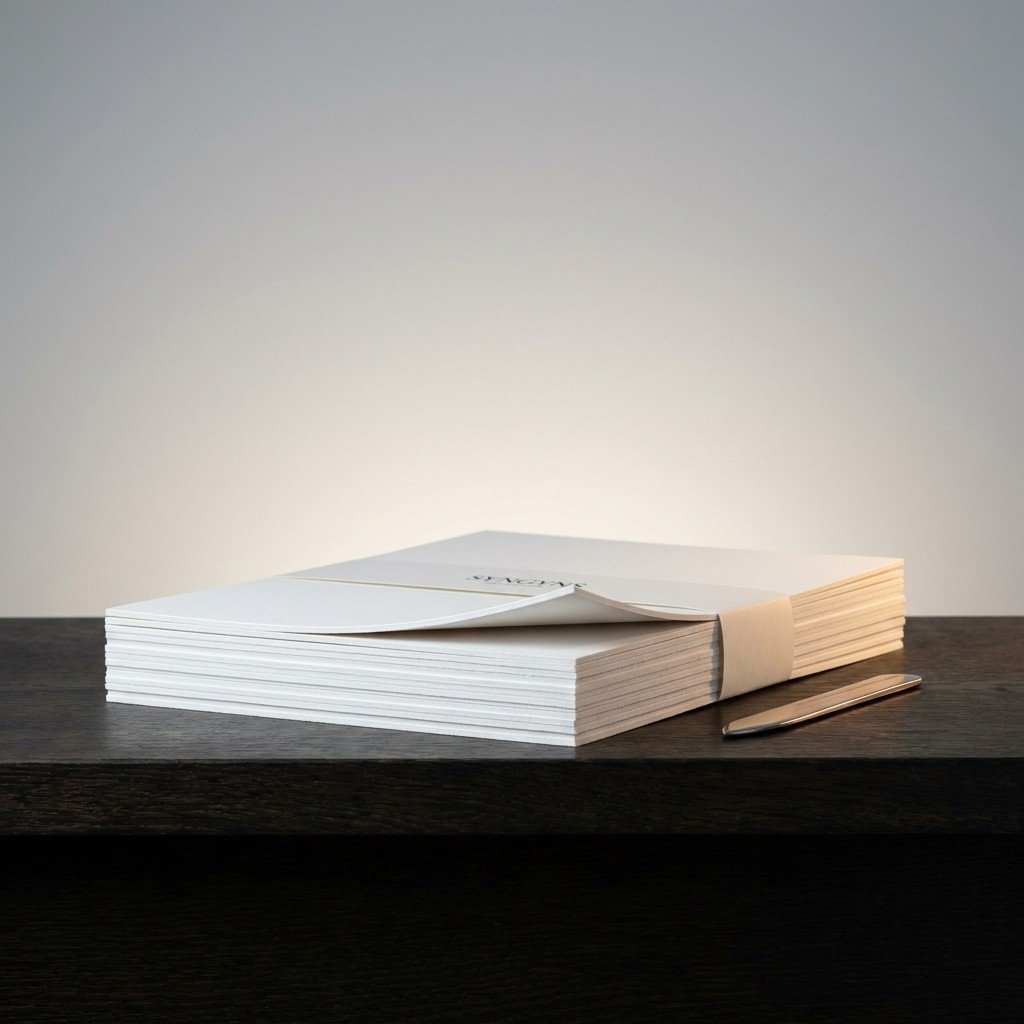
Buffered board carries an alkaline reserve — usually calcium carbonate —
which neutralises acids migrating out of the object and out of the air around it. For paper, that
reserve is protective, and it is why a mount cut from buffered museum board does not print a brown
line onto a print in thirty years the way a woodpulp mount reliably does.
For protein-based material it is the wrong answer. Wool, silk, leather, parchment,
feather and most photographic processes with a gelatin binder are harmed by an alkaline environment.
Housing them in buffered stock is one of the most common and most quietly destructive specification
errors there is, because nothing appears to go wrong for years.
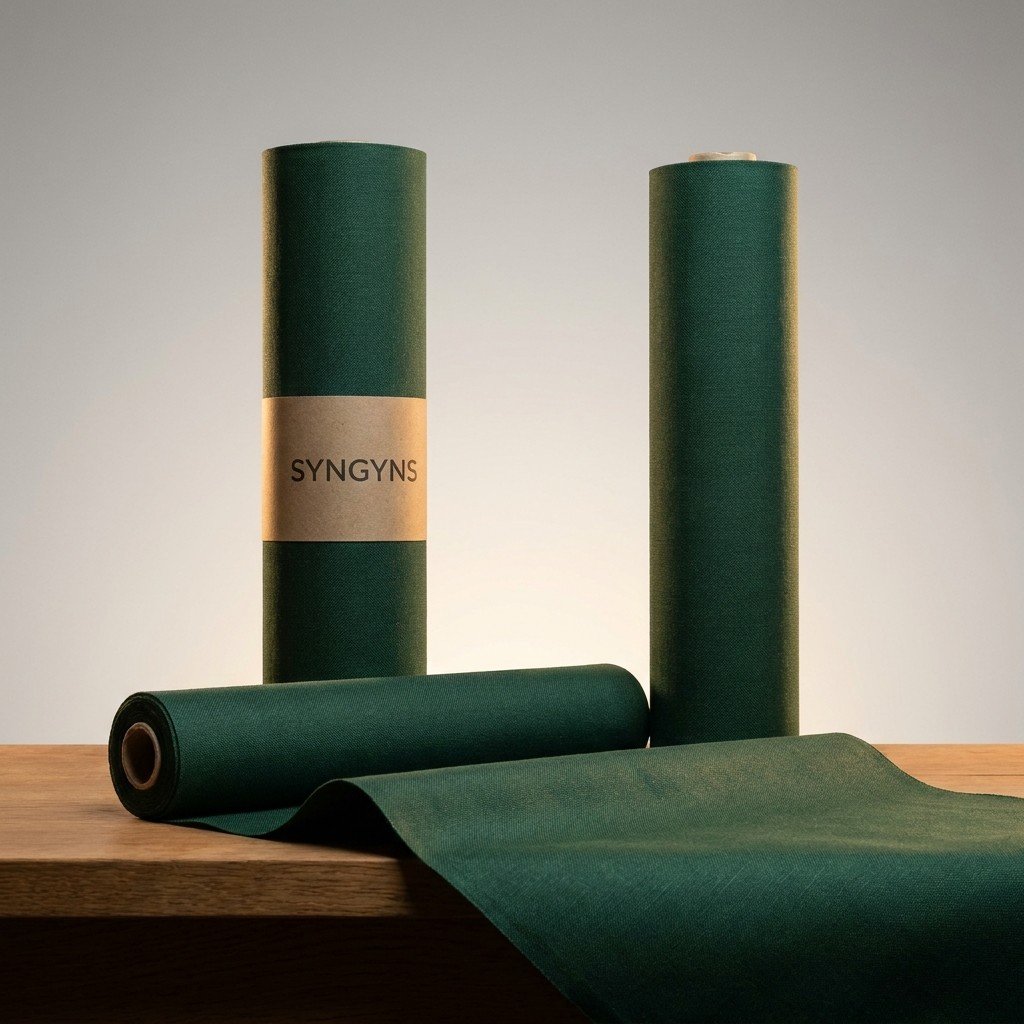
So we stock both, and because the two are indistinguishable on a shelf, every unbuffered sheet we
sell is edge-marked UNBUFFERED along one long edge and wrapped in a contrasting
colour. If you hold both in one store, keep the wrapping on.
| Material | Specify |
|---|
| Paper records, prints, documents, books | Buffered |
| Wool, silk, textiles | Unbuffered |
| Leather, parchment, feather | Unbuffered |
| Gelatin-binder photographs, most historic processes | Unbuffered |
| Mixed or unknown collections | Unbuffered — it is safe against everything |
Read the full standards note